
House Siding Cost | Siding Cost Estimator

Use our free and customizable house siding calculator below to estimate the cost of installing new or replacement siding on your home. The estimated price range is based on several factors related specifically to the size of your house, the type of current and new siding, and the cost of all supplies, new siding, trim materials and installation labor in your specific area. Since this calculator deals with all types of home siding, some options are limited. You can go to the specific siding type calculators by clicking their links throughout the page.
Benefits of Using This Calculator
- New or replacement house siding.
- Breakdown of siding materials, supplies, cost per square foot and labor costs.
- Many common types of siding: Vinyl, aluminum, brick, stone, fiber cement board (Hardie plank), engineered wood siding and more.
- No obligation free home siding estimates, easy to use.
Estimated Cost Calculator
New or Replacement Siding Project Overview
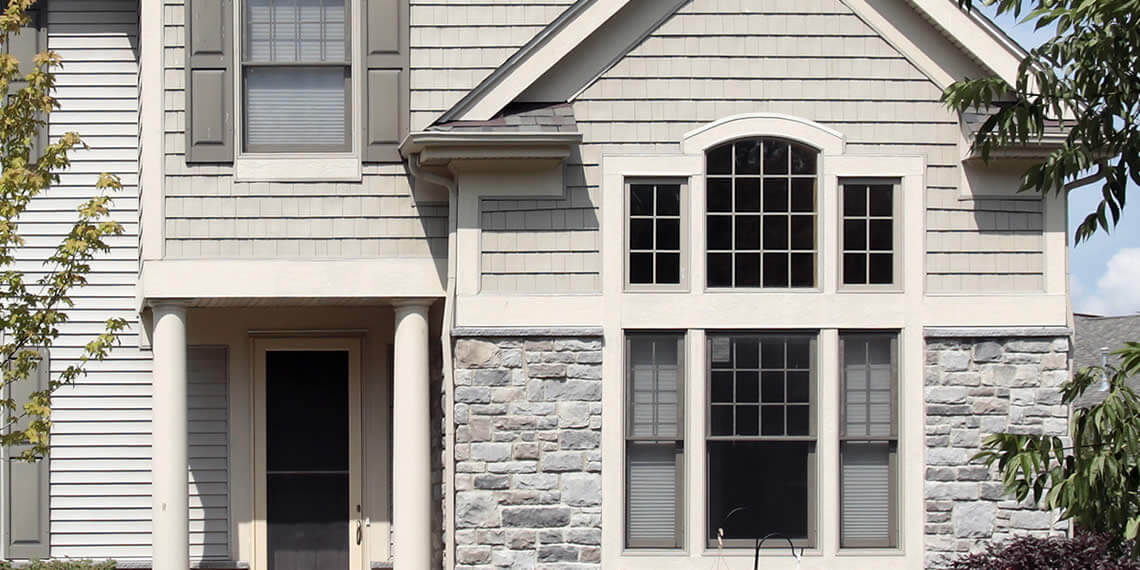
Your home’s siding is one of the most important features of its exterior! It not only affects curb appeal but also provides protection from the elements, improves insulation, and contributes to the long-term value of your home. Over time, your home’s siding can deteriorate due to exposure to the weather, UV damage, moisture, and aging in general, which may prompt you to replace the siding on part or all of your home.
Included in this Estimate:
- Old Siding Removal (if selected): If your existing siding needs to be removed, it will be torn down and properly disposed of. The underlying structure will be inspected to ensure it’s in good condition and ready for new siding installation. Minor repairs to the sheathing or underlayment may be necessary and are factored into this estimate.
- All New Materials and Installation Supplies: This estimate includes the cost of all siding materials, underlayment wrap (if required), fasteners, insulation, and other supplies necessary to complete the project.
- Labor Costs to Complete the Project: The total man-hours required to install the new siding, adjusted for the type of siding and your location, are factored into this estimate.
- Site Cleanup and Disposal: After installation, any leftover materials, old siding, and debris will be cleaned up and removed. Common disposal fees have been accounted for in this estimate.
Not Included:
- Major Sheathing or Structural Repairs: If significant damage to the sheathing or structure is discovered during the siding removal, additional costs for repairs may apply.
- Replacement Gutter or Downspouts: Since all trim and siding must be removed, it’s common to install new gutters at the same time you do this project. Go to our seamless gutter estimator to learn how much new gutters may cost.
Estimate Costs for these Types of Siding
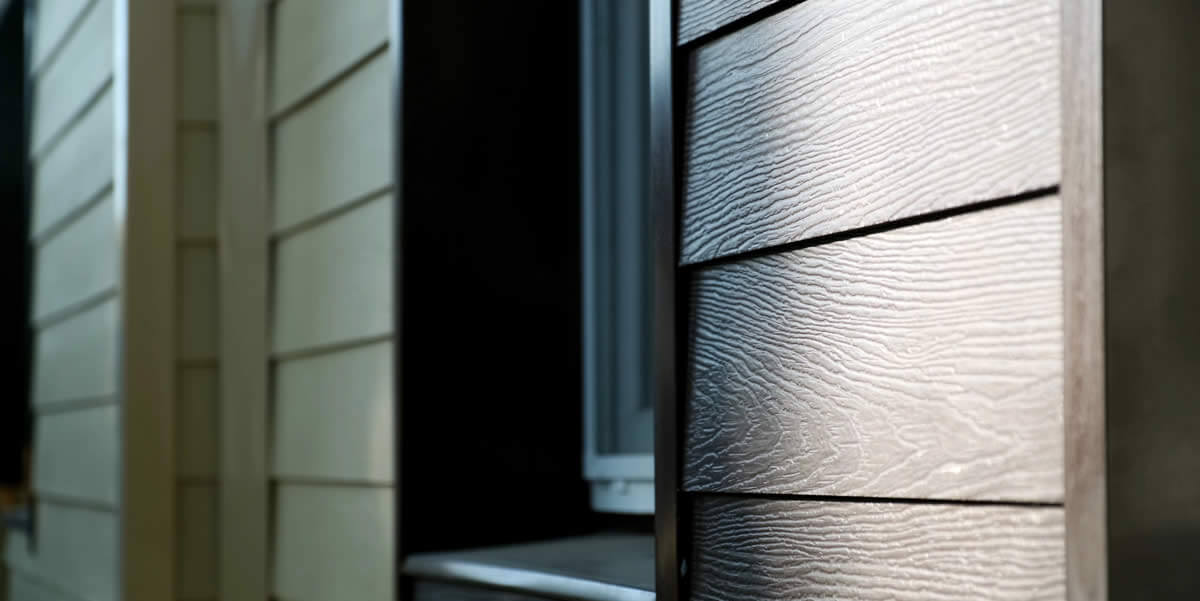
Our Costimates® calculator is designed to help you get accurate and customized estimates for the most common types of exterior siding used on homes. You can estimate costs for replacement or new siding for the following:
Vinyl Siding
Vinyl siding is a popular, cost-effective choice for homeowners. It’s made from PVC (polyvinyl chloride) and is known for being durable, low-maintenance, and resistant to rot and pests. Available in a variety of colors and textures, vinyl can mimic the look of wood at a lower cost. It’s also easy to clean and can last 20-40 years with minimal upkeep.
Fiber Cement Siding
Fiber cement siding, often associated with the brand Hardie Board, is a blend of cement, sand, and cellulose fibers. This siding is highly durable, resistant to fire, rot, and termites, and can mimic the appearance of wood, stone, or brick. It requires periodic painting but offers a long lifespan of 30-50 years. Fiber cement is a great choice for homeowners seeking durability with a more premium look.
Wood Siding
Wood siding provides a classic, natural appearance that many homeowners love. It’s available in a range of styles like clapboard, shingles, or board-and-batten. Common wood choices include cedar, redwood, and pine. While wood siding offers excellent aesthetic appeal, it requires regular maintenance, such as staining or painting, to prevent rot, insect damage, and weathering. With proper care, wood siding can last 20-40 years or more.
Engineered Wood
Engineered wood siding is a composite material made from wood fibers and resins, designed to mimic the look of traditional wood siding but with enhanced durability. It’s more resistant to moisture, insects, and rot than natural wood, making it a lower-maintenance option. It comes pre-primed or pre-painted and typically lasts 20-30 years with less upkeep than traditional wood siding.
Aluminum Siding
Aluminum siding is lightweight, resistant to rust, and offers excellent protection against the elements. It’s durable, fire-resistant, and easy to maintain. While aluminum siding doesn’t rot or crack like wood, it can dent more easily and may require periodic painting to maintain its appearance. It’s often used in coastal areas due to its resistance to corrosion.
Stone Veneer
Stone veneer siding offers the look of natural stone without the heavy weight and cost. Made from a mixture of cement, aggregates, and iron oxides, this siding is designed to mimic the appearance of real stone. Stone veneer is durable, weather-resistant, and can add a high-end aesthetic to a home’s exterior. It’s typically used as an accent rather than covering the entire home and can last 50+ years.
Brick Veneer
Brick veneer is a thin layer of real brick applied over a wooden frame. It provides the classic look and durability of traditional brick construction but at a lower cost. Brick veneer is highly durable, fire-resistant, and requires little maintenance. It’s often chosen for its timeless appearance and can last 50+ years, making it a long-term investment for homeowners.
References and Data Sources
We make use of several resources to compile data used in our cost calculators. It assures you the most accurate cost estimates based on real data from trusted sources. For this home siding cost estimator, we used the following sources:
- Cost of living data: US Department of Commerce, Bureau of Economic Analysis.
- Labor costs are calculated from the US Bureau of Labor Wages and Statistics, exterior building, sheathing and siding workers, based on your zip code and state. We also make use of RSMeans costing data for various needs.
- Material and supplies costs from: Lowes, Home Depot, and Wholesale Siding Depot.
- Estimated costs are compiled by a averaging the cumulative costs submitted by our users and business partners who have used this as a estimating tool for their own purposes and made their estimates public. We’ve removed all personal identifying data and used aggregate values only.
